A paint sprayer either saves you real time on a big job, or it turns into an expensive, clogged mess you regret buying. VONFORN's 700W sprayer has become the #1 best seller in its Amazon category with over 8,000 ratings behind it, so we went through the full spec sheet, the manufacturer's own safety notice, and a wide spread of real buyer reviews — including a genuine failure report — to see whether it earns that spot.
What's in the Bo
x
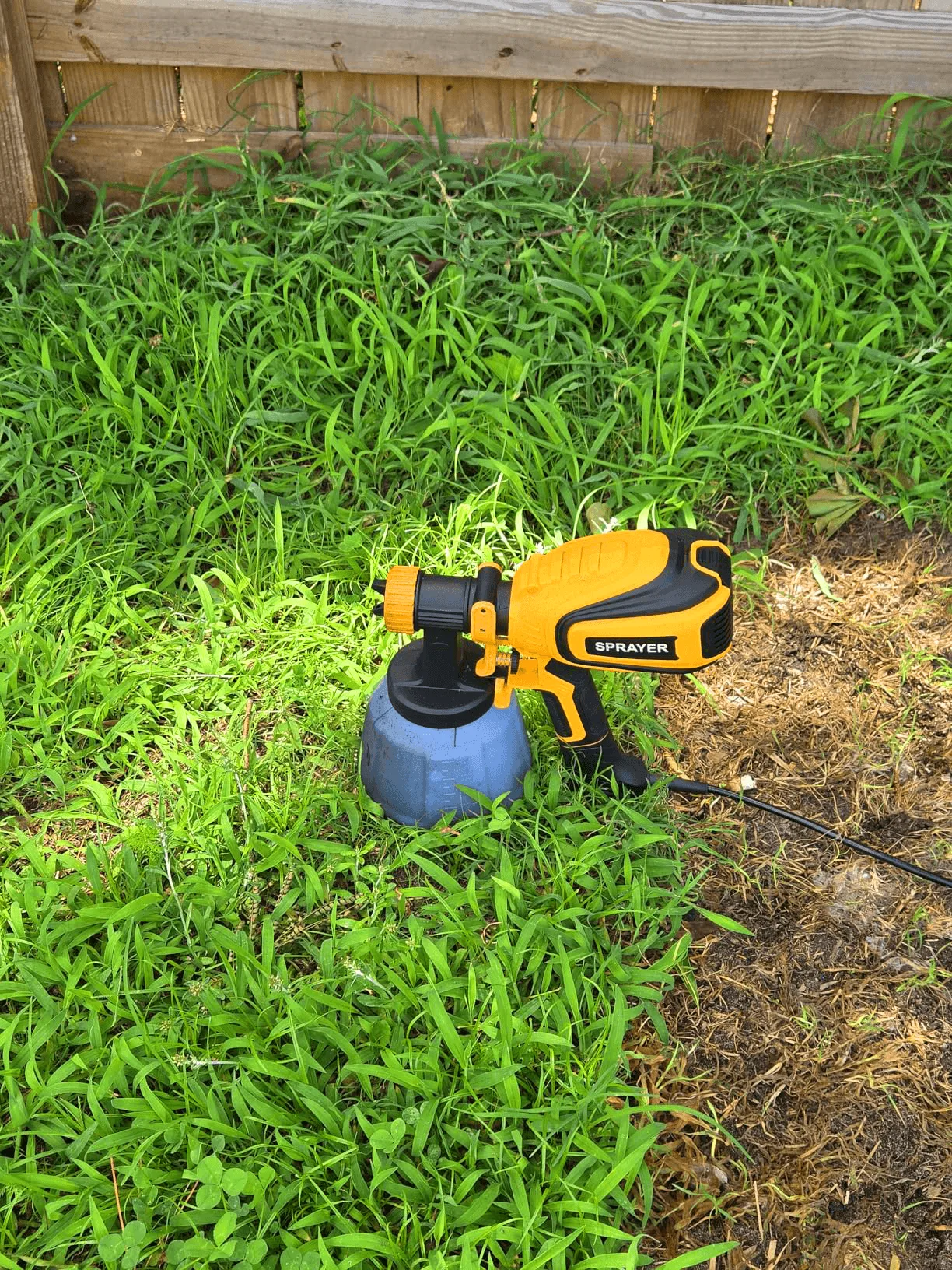
This is a corded, AC-powered handheld sprayer with a 1200ml tank, weighing 3.7 lbs with an 11.42" height. It ships genuinely well-stocked:
- 4 nozzle sizes — 1.0mm, 1.5mm, 2.0mm, and 3.0mm, for everything from thin stains to thicker latex paint
- 5 paint filters, a viscosity cup, a nozzle cleaning needle, and a cleaning brush
- A dust-blowing joint to clear debris off the surface before you spray
- A cleaning connector that hooks up to a hose or faucet to flush residual paint out of the line after use
That last piece matters more than it sounds — several buyers specifically called out how much easier hose-flush cleaning is compared to sprayers that require full manual disassembly every time.
Nozzles, Patterns, and Flow Control
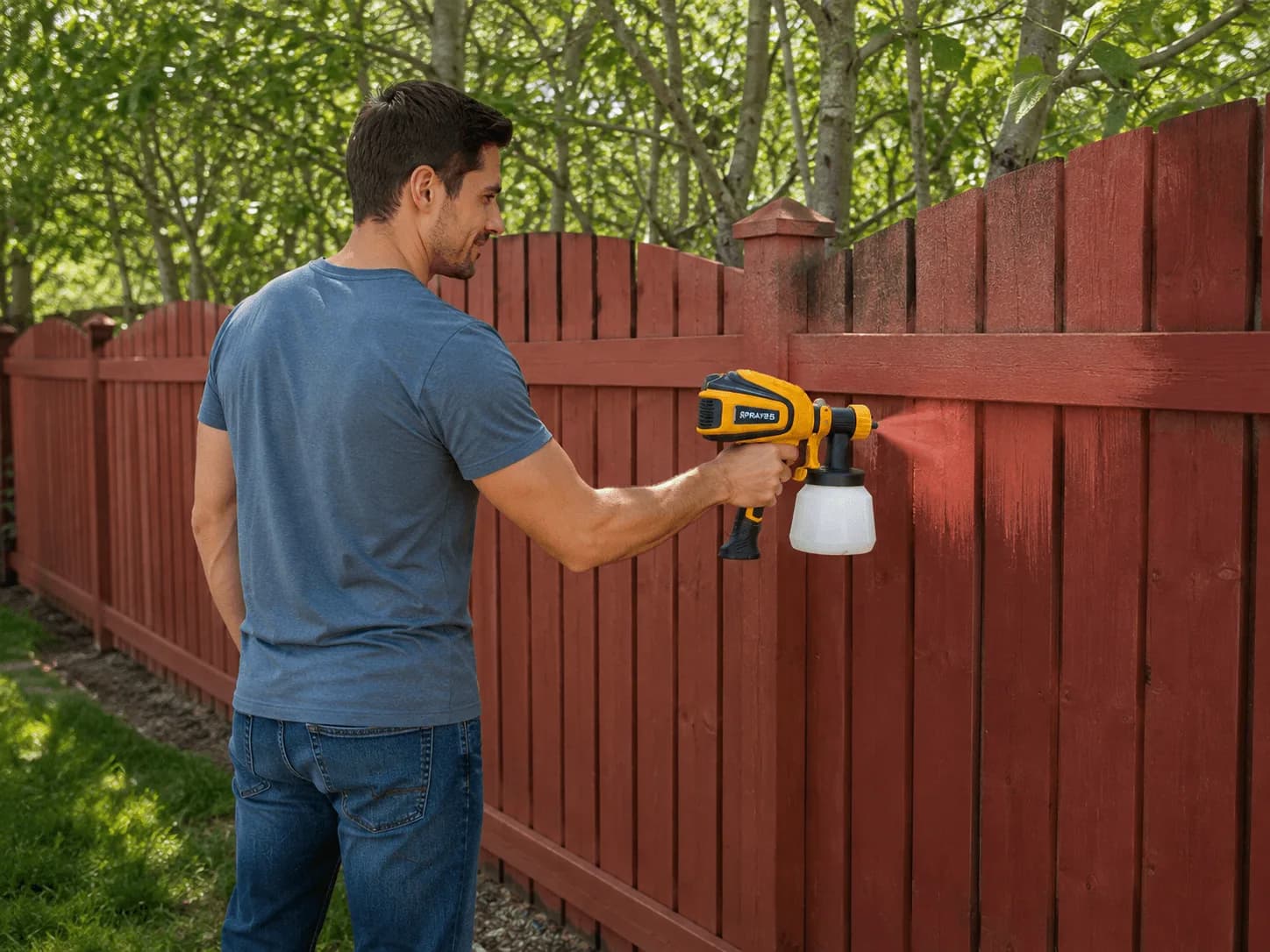
You get three spray patterns — horizontal, vertical, and circular — plus a flow control knob to fine-tune paint output for the surface you're working on. Buyers used it successfully on fences, cabinets, furniture, and full interior walls, switching nozzles depending on the job.
One buyer specifically praised being able to pull the entire nozzle assembly off the motor to clean it separately, rather than needing to disassemble the whole unit. That same buyer had previously owned both a Wagner sprayer and battery-powered units, and preferred this one — battery-powered sprayers, in their experience, drained multiple batteries just to finish a section of fence.
The Voltage Warning
This is worth stating plainly, because it comes straight from the manufacturer's own safety notice: this sprayer is only rated for 110-120V. Connecting it to a higher voltage will burn out the motor.
That's not a theoretical warning. One buyer reported exactly this failure — the device burned out in their hand after less than three minutes of first use. If you're ordering this for use outside the US or anywhere on a different voltage standard, confirm your outlet voltage before plugging it in. This is also a good general habit any time you're using a corded power tool for the first time, not just specific to this sprayer — the U.S. Consumer Product Safety Commission publishes general power tool safety guidance worth a quick read if you're new to spray equipment.
Getting the Viscosity Right
This is the single biggest factor separating happy buyers from frustrated ones, and it shows up consistently across reviews. Several buyers specifically warn against following the included viscosity cup guidance too literally for latex paint — one described it as recommending far more thinning than actually needed, suggesting closer to half a cup of water per gallon for most exterior latex rather than the larger amount the cup guide implies.
A few practical tips pulled directly from real buyer experience:
"Time it — most paint should run through the sprayer in around 40 seconds for a good finish. Wipe the tip every couple of passes so paint doesn't dry and clog it mid-job."
Skipping this step is exactly what causes the "uneven spray distribution" complaints that show up in some reviews — it's a paint-prep issue more often than a sprayer defect, but it's real enough to plan around before you start.
What Real Buyers Are Saying
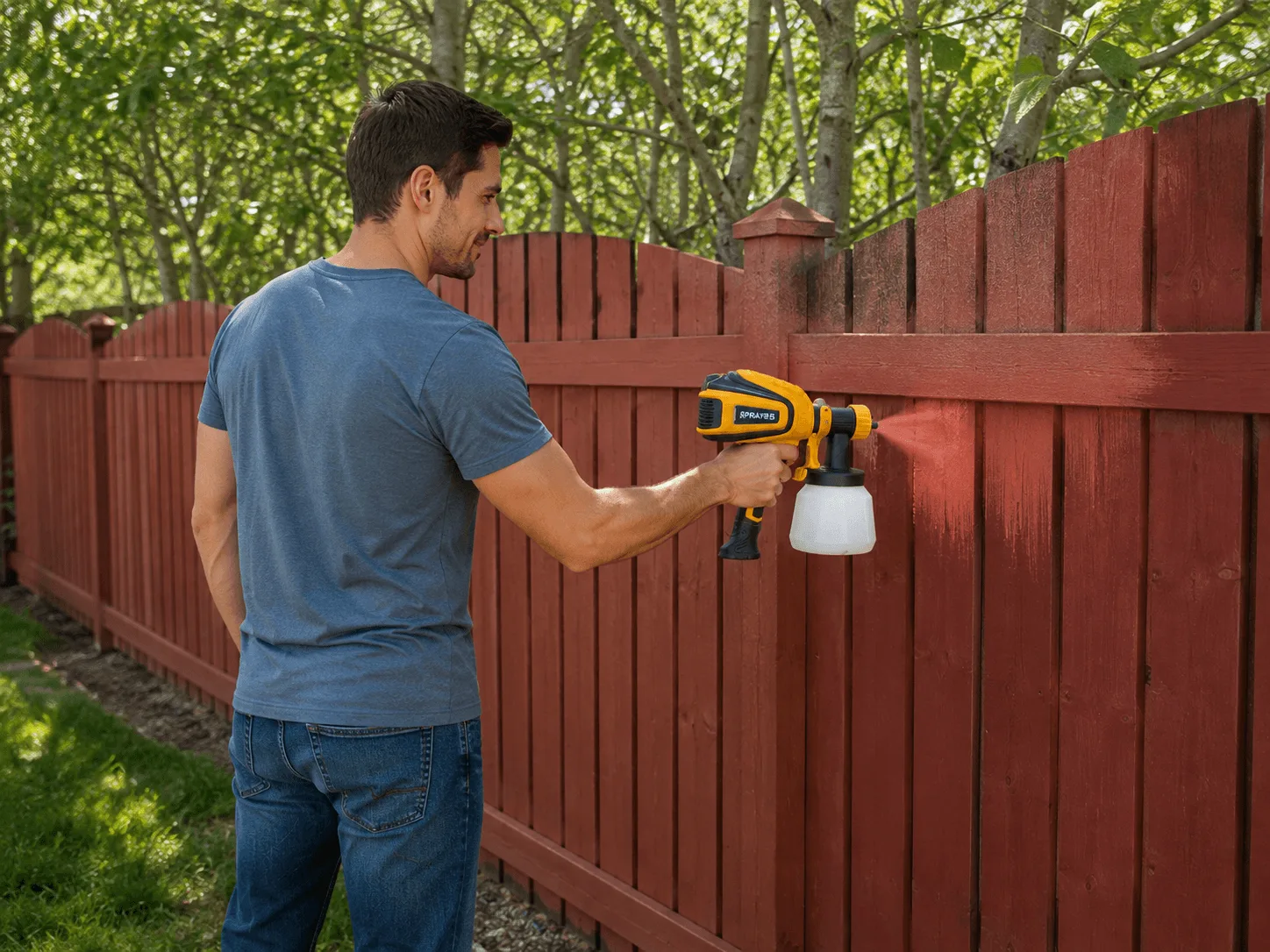
At 4.3 out of 5 across 8,053 ratings, with 69% five-star and a combined 12% at one or two stars, the overall pattern skews strongly positive. The most repeated praise theme is large exterior jobs — one buyer covered roughly 500 square feet of cedar fence using Ready Seal stain, getting through 2 to 5 fence sections per tank refill with an even, professional-looking finish.
Cabinet refinishing came up too: one buyer sprayed 30-year-old kitchen cabinets after light sanding, using a primer followed by two coats of enamel trim paint, and got a smooth, even finish once they adjusted their technique between coats.
Not every review was glowing. One buyer specifically bought it for a thick-viscosity chicken coop paint job and, after thinning per instructions, found the sprayer couldn't sustain more than a few minutes of continuous use with that particular paint — they'd have preferred a roller for that specific job. It's a useful reminder that this is built for standard latex, stain, and enamel work, not every possible coating.
Where It Works Best
This is a strong fit for larger outdoor projects — fence staining, deck furniture, garden structures — where a roller or brush would take significantly longer. It also handles interior work well: cabinets, furniture, and accent walls all came up repeatedly in real buyer projects.
If your project involves a genuinely thick, non-standard coating, or you're working somewhere without a stable 110-120V outlet, it's worth planning around those two specific limitations before you buy. A short power cord was also flagged by at least one beginner-level buyer as a minor limitation on larger areas — worth having an extension cord on hand if you're working across a big yard or a whole room.